The Collective Brand Image and Brand Equity of Spain’s National Soccer Team, 2026
2026 will always be remembered for its summer of soccer, with Spain’s national team becoming world champion at the FIFA World Cup 2026 for the second time in its history. Congratulations to the entire team and to Spain as a whole. However, this is not a sports magazine but a marketing one, so I want us to analyze the team’s powerful collective brand image.
First, try to recall the names of four players from any national team other than your own country’s and Spain’s. If you are only a soccer fan during the World Cup, like me, you will have trouble naming more than four from any team, beyond its stars with high brand recall and strong personal brands. With Spain, though, you can: Yamal, Oyarzabal, Rodri, Cucurella, Dani Olmo and Merino, to name a few, plus their coach, Luis de la Fuente, the best-dressed coach, rivaled only by Carlo Ancelotti. Both have strong personal brands.
But why does Spain’s national team have such strong brand recall? Because, in marketing terms, it behaved the way a brand should. At the end of the day, a brand is the symbolic and narrative representation of a collective idea, such as a company or a team, and both are made up of people. That is how the best brand image is achieved, which, according to Keller (1993), we can define as the perceptions held in consumers’ memory through brand associations.
And what can we associate with Spain’s national team since before the World Cup? I don’t know whether it started with this tournament, but it is the first time I have seen brand videos that national teams from different countries created to announce their rosters. My four favorites, in order, are Spain, England, Brazil and my beloved Mexico. But why Spain? Because from the brand video on, the country acted as a team, as it should, and its citizens, including the King, introduced the players: a united nation, a united team.
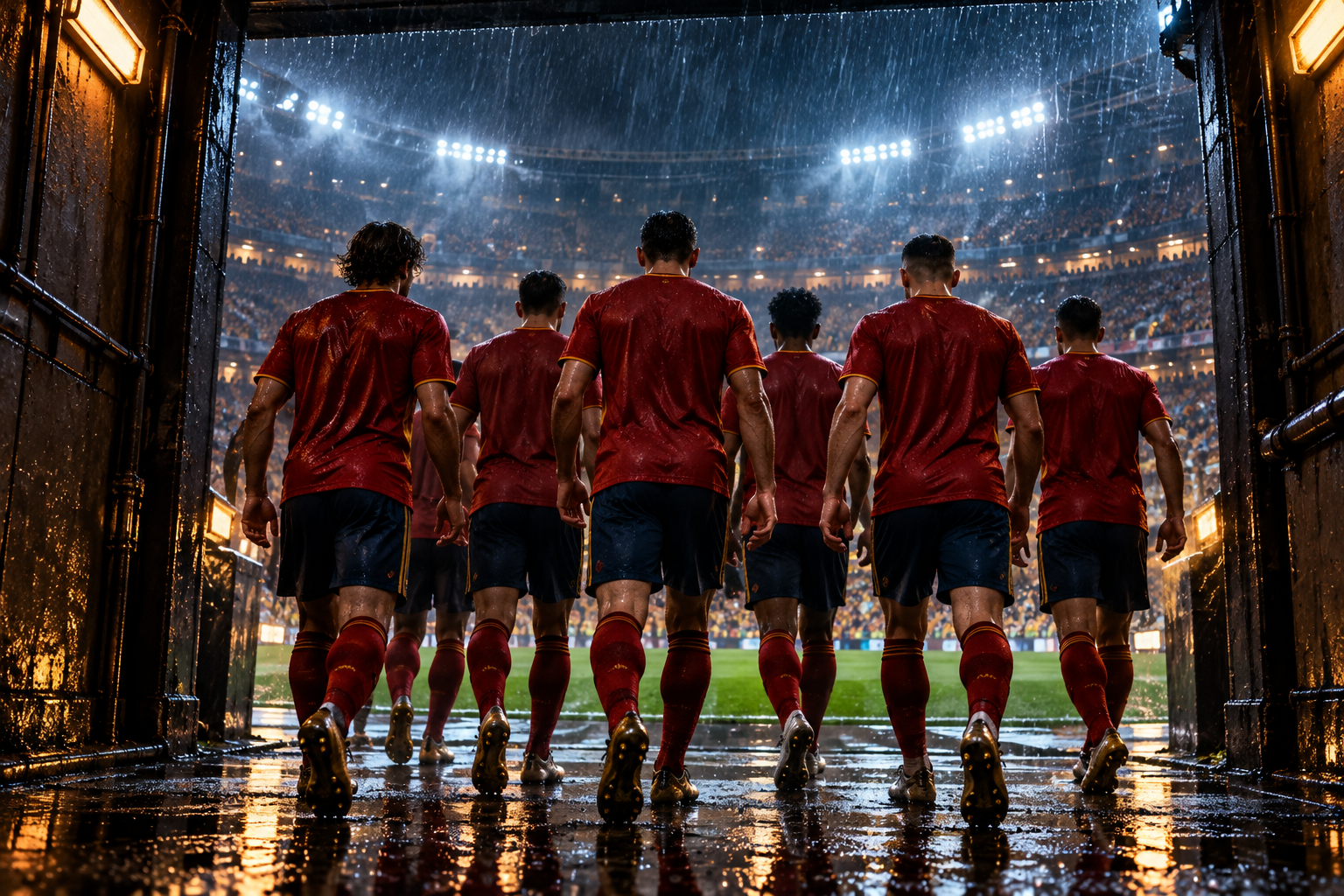
Team sports are won as a team. Even if you have your stars, if they don’t know how to play as a team, they will do little to help their national team win. But if everyone keeps their ego in check and aligns as a team, you achieve what Spain achieved: playing and acting in a disciplined and strategic way, and getting results. All of its players played well as a team, and Lamine Yamal, the big star with all the marketing power of his sponsors, rose to the occasion by being just one more member of the team, not the most important one from a marketing standpoint. Everyone scored, everyone passed, everyone defended. Everyone played as a team. That helped them withstand every strategy their opponents designed to break them apart, and none succeeded. On the contrary, Spain’s strategy always prevailed on the field.
Imagine if your company acted that way, if it played the way Spain’s national team played in this World Cup. Keller and Swaminathan (2020) define brand equity as the marketing effects uniquely attributable to the brand. So the strong brand recall, and the way every member of the team and its coach played and behaved, are the best example of brand equity.
You can achieve the same thing in your company if everyone focuses on contributing to the common goal of achieving the results of the company’s marketing plan and strategic plan, and acts accordingly. Everyone is equally important; it is a team. Of course, everyone has specific assigned roles, but it is precisely when each person does their part that better results are achieved.
You don’t always win; that’s impossible. But defeats are where you learn the most, so you can start a new game applying the lessons learned, to keep growing, keep learning and keep training. Preparation never stops.
The best collective brand image your company can project is when all its members, at every level, live and practice the company’s mission, vision and strategic objectives every day.
Congratulations, Spain, and thank you for the great soccer and for the example of collective, disciplined and strategic work, the kind that achieves results, scoring the goals needed to win the championship and lift the cup.
References
Keller, K. L., & Swaminathan, V. (2020). Strategic brand management (5th ed.). Pearson.
Keller, K. L. (1993). Conceptualizing, measuring, and managing customer-based brand equity. Journal of Marketing, 57(January), 1–22.
Author: Dr. Carlos Valdez
Date: July–August 2026
Editorial assistance: Claude.
Image generated with: ChatGPT and Gemini.
Publication: Revista Mercadotecnia y Ventas.
© All rights reserved, Revista Mercadotecnia y Ventas 2026.
Reproduction without the author’s permission is prohibited.
Editorial syndication: This content is available for syndication. For editorial licensing or collaborations, contact carlos.valdez@mercadotecniayventas.com