Article for Academics
What Should We Teach in Marketing and Sales in the Age of AI?
I remember a phrase shared by a professor when I was studying my master's in business: "There is only one permanent rule in business: everything changes." In reality, that applies to everything in life, although it's true that sometimes we go through periods where change doesn't arrive so quickly. Therefore, as educators, regardless of whether change happens fast or slow, we must always question whether what we teach is relevant to our students. Will what we teach prepare them for today's job market and the near future?
With AI's enormous impact, as educators of marketing and sales — regardless of how many years we've been in the industry and how demanding it may be — it's worth pausing and thinking critically about what to teach our students in the age of AI.
I am in favor of AI as a support tool that helps amplify human skills, but not as a replacement for human analytical, critical, and creative thinking. I can use it to brainstorm ideas, but the one who always makes the final decision is the human. Why? Because otherwise, we fall into the trap of accepting whatever AI gives us without editing. And yes: every AI hallucinates. While that is already a serious problem, an even greater problem would be if human beings stop thinking critically because it requires intellectual effort and we'd rather "leave it to AI." If that happens, where would marketing go? Wherever AI decides.
So let's ask ourselves: what should we teach in marketing and sales in the age of AI to prepare our students for the job market? We have a profound moral and intellectual commitment to our students, employers, and society.
There are basic marketing principles that remain valid and will continue to do so — fundamentally, the creation of value for all participants. But what do we teach so that these new professionals generate value for their consumers and make a positive impact on society?
We need to incorporate AI — I do believe that. But we also need to keep teaching and reinforcing our students' human skills: soft, hard, and transferable skills, such as critical thinking, creative thinking, problem-solving, and knowing how to communicate both individually and as a team, live and in person, not only digitally through devices. That is critically important: professionalism, work and business ethics, and marketing concepts — including new concepts, modified and adapted to this new reality.
Researching, designing, planning, executing, and measuring will continue to be marketing, but done differently. The adaptability that we have always practiced in sales, but not as much in marketing, must be present in both fields: adapting to change, to new technology, to new consumers, to new generations, to a "new marketing." And may this reflection help us decide what to teach.
Don't just ask AI what you should teach. Ask your former students. Ask employers. Ask guest speakers. Closing the gap between academia and industry will help us better answer the question of what to teach in marketing and sales.
And regardless of which area we depend on or not, change affects us all: AI impacts everyone, and we all need to keep training and reinforcing human skills — not just as a counterbalance, but as a guide for AI's decisions and outcomes.
Marketing has always been fascinating and will continue to be so, even as it constantly challenges us to step outside our comfort zone and learn new things. Because in reality… everything changes.
TECHNICAL INFORMATION
Author: Dr. Carlos Valdez
Date: February 2026
Edition: February 2026
Text Editing: Claude Sonnet 4.6 for spelling correction and translation
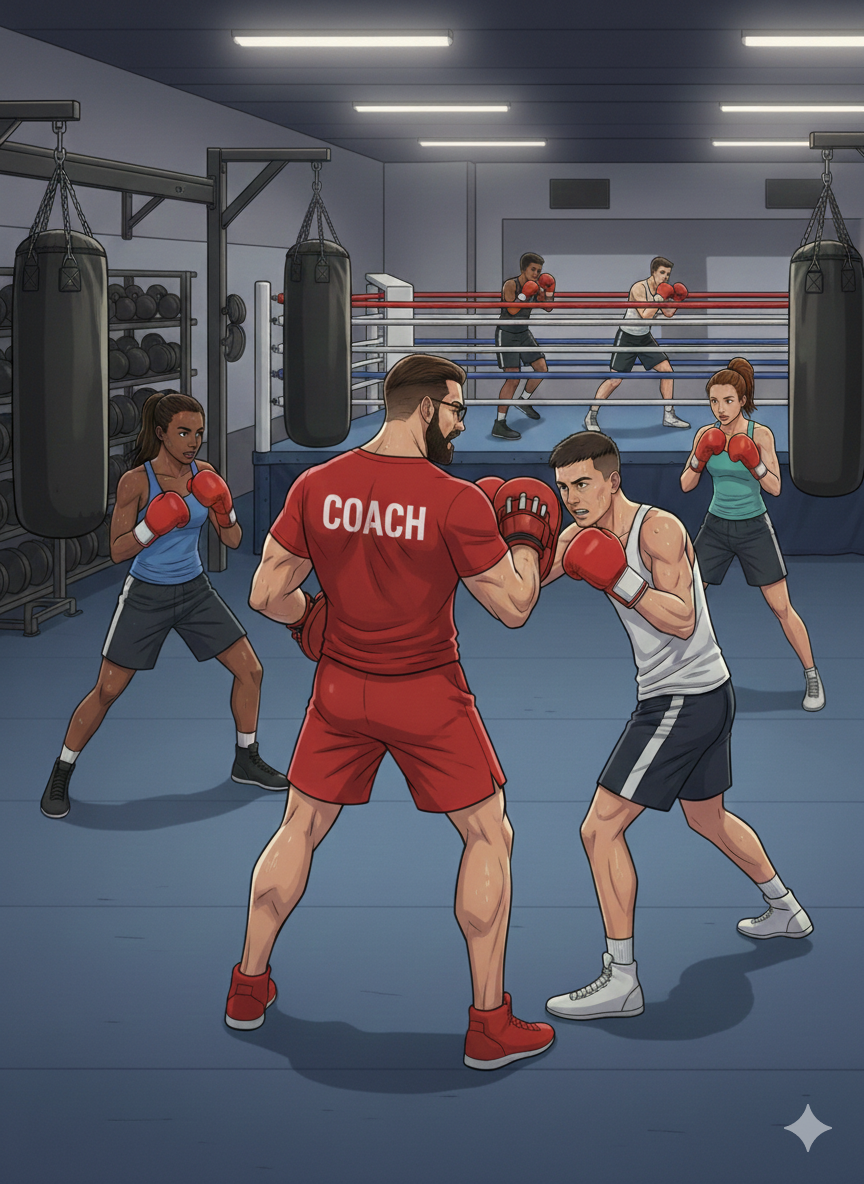
Image generated with: Gemini 3 Nano Banana
Publication: Mercadotecnia y Ventas Magazine
© All rights reserved Mercadotecnia y Ventas Magazine 2026. Reproduction is prohibited without the author's permission.
Editorial syndication: This content is available for syndication.
For editorial licensing or collaborations, contact: carlos.valdez@mercadotecniayventas.com